
Why Choose the Coco-Briquette ?
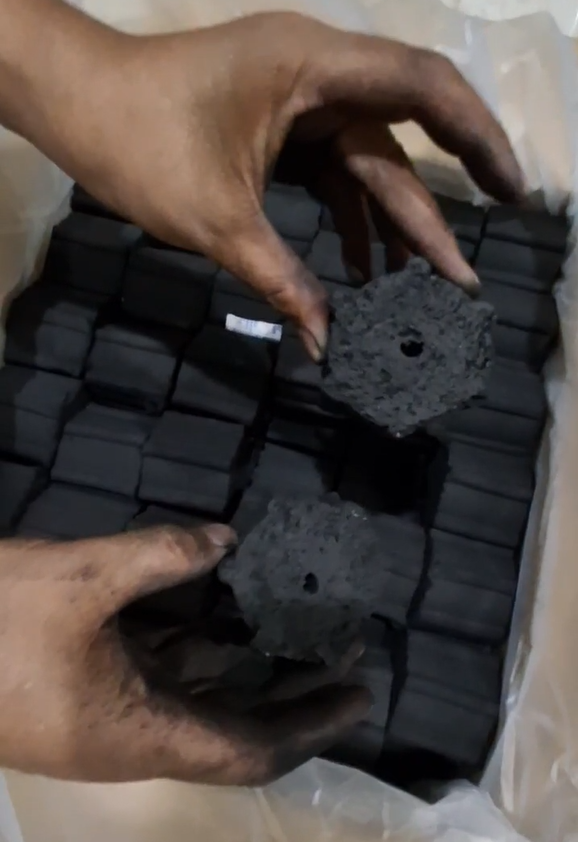
We offer bulk shipments and convenient cardboard packaging in 5kg and 10kg boxes on demand. Our Coco-charcoal product comes with full EU regulation compliance and certifications. For price listings and shipping information please get in touch.

Sustainably Sourced Fuel
Harnessing traditional methods combined with modern technology, our Coco-briquette offers a clean, efficient, and eco-friendly energy solution for your cooking needs using waste mature coconut shells rather than laying waste to woodlands.
Exceptional Durability
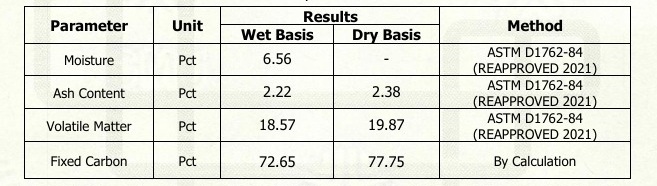
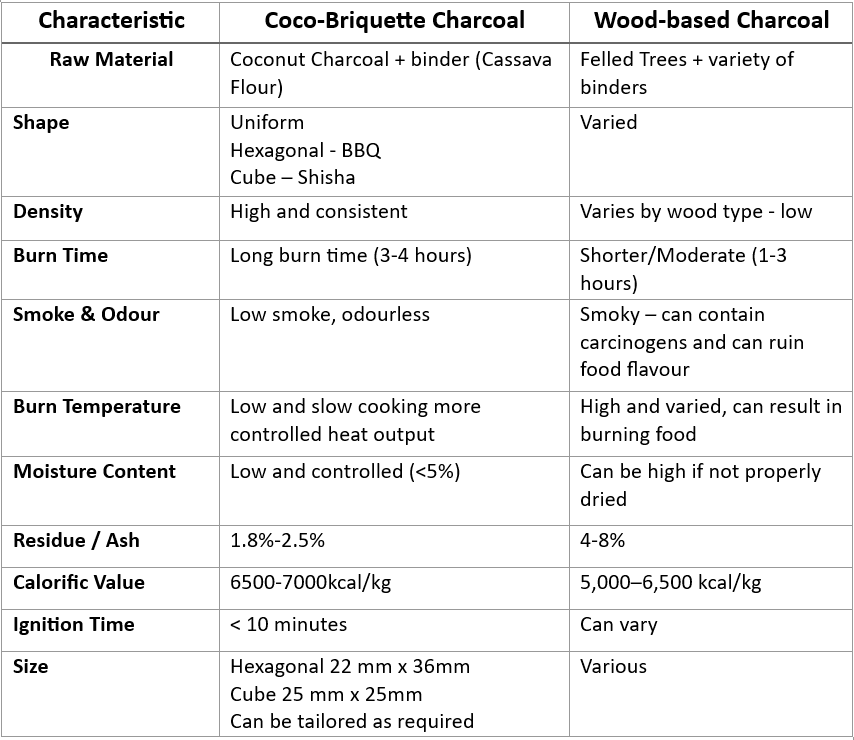
Engineered for long-lasting burn times and consistent heat output, the Coco-briquette has a reduced ash content, whilst delivering efficient and consistent heat unlike conventual charcoal. Arang is an odourless alternative to wood-based charcoal briquettes, burning cleaner and emitting fewer harmful chemicals such as carbon monoxide. Making it a popular choice for both domestic and commercial uses globally.
Environmentally Responsible Production
Coconuts are a highly renewable, sustainable resource as the trees themselves produce fruit continuously for up to 100 years, no felling required. Our natural process significantly lowers environmental impact while supporting local Indonesian communities who manufacture Arang in a traditional and sustainable way. A product that reduces your carbon footprint when compared with using conventual wood-based charcoal.

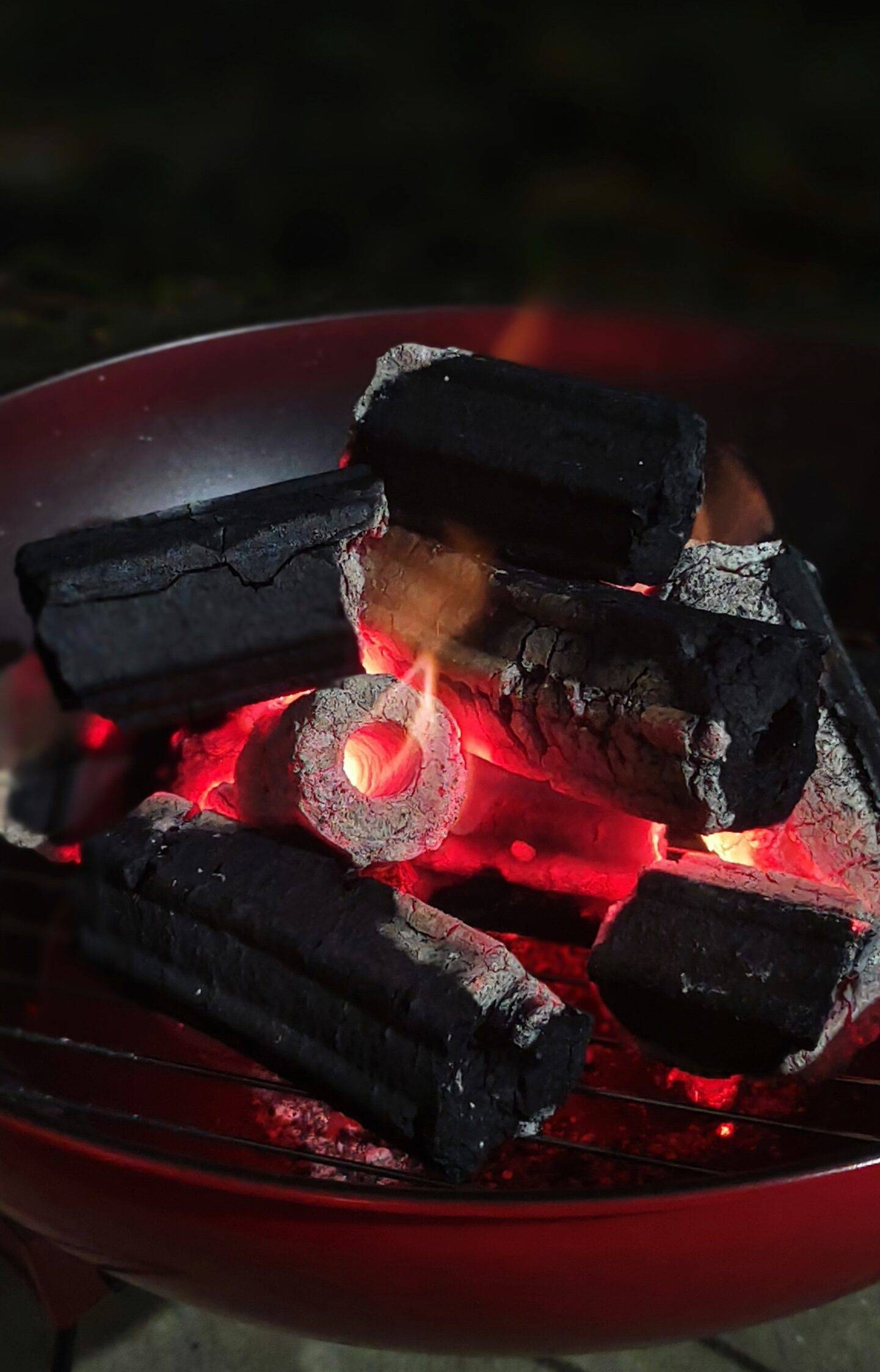
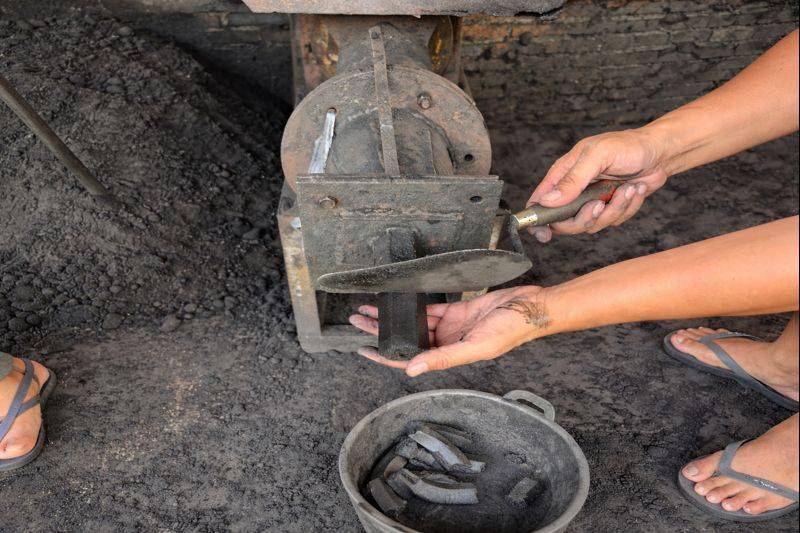


BBQ CHARCOAL BRIQUETTE
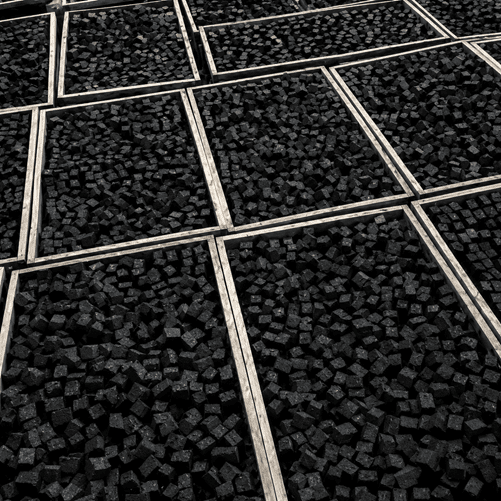
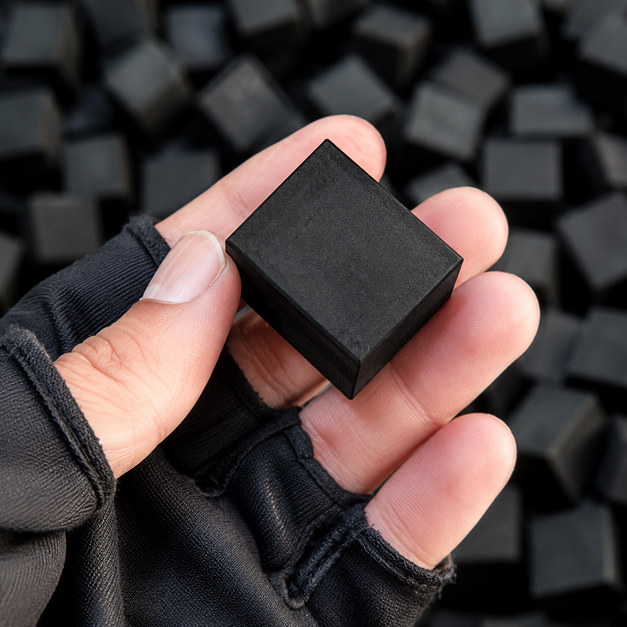

SHISHA CHARCOAL BRIQUETTE
Why COCO-Briquette CHARCOAL
Production Process
Discover the detailed stages involved in crafting sustainable coconut shell charcoal briquettes, from raw material preparation to the final product.
1
Step One: Shell Collection & Preparation
Begin by sourcing high-quality coconut shells, which are then cleaned and prepared to ensure optimal carbonization results for durable briquette.
2
Step Two: Carbonization & Molding
The prepared shells undergo controlled carbonization, followed by molding into uniform brickets using traditional or modern pressing techniques.
3
Step Three: Drying & Packaging
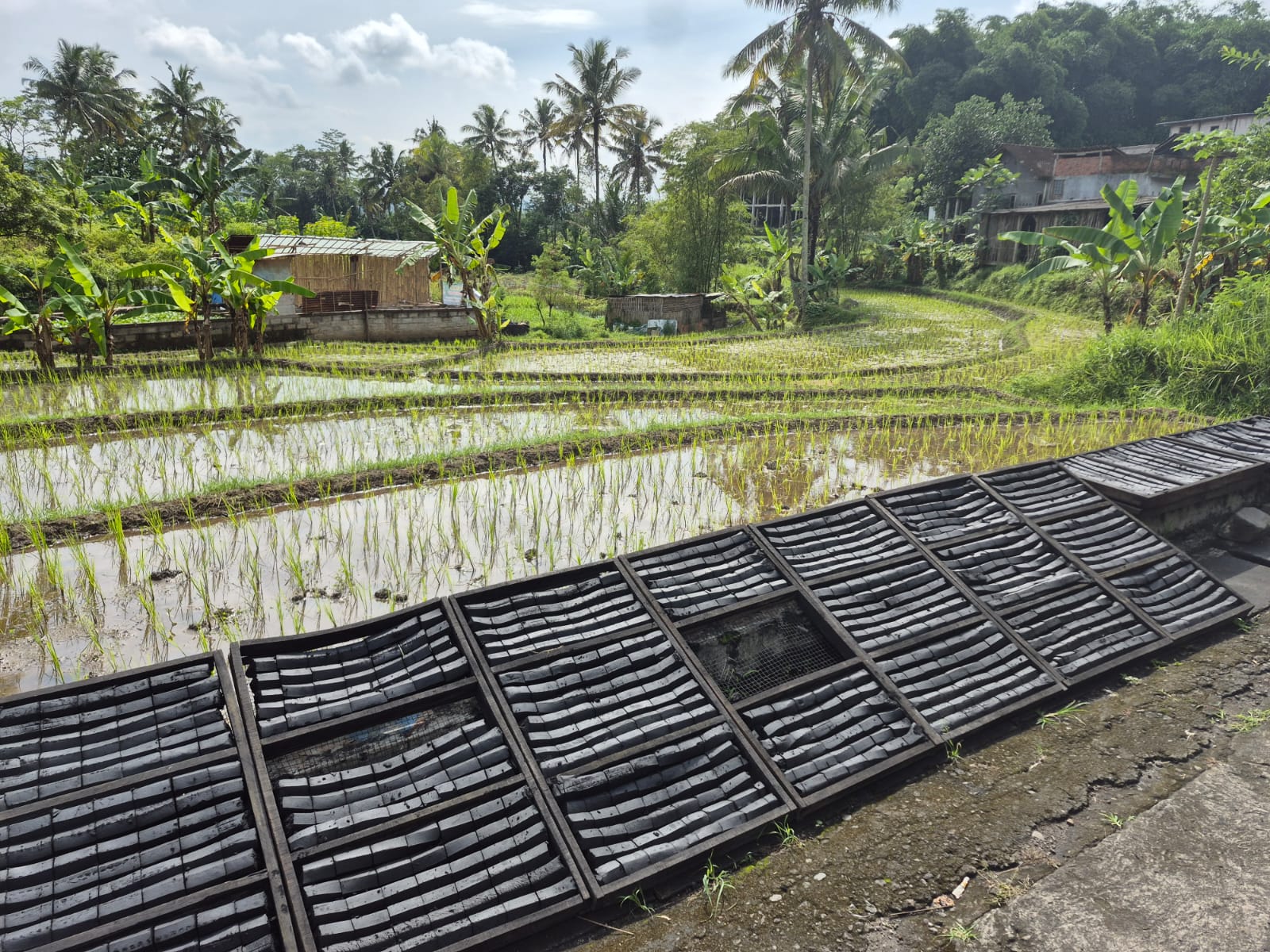
Finally, the briquette are carefully dried to enhance combustion quality before packaging for distribution as an eco-friendly fuel alternative.